
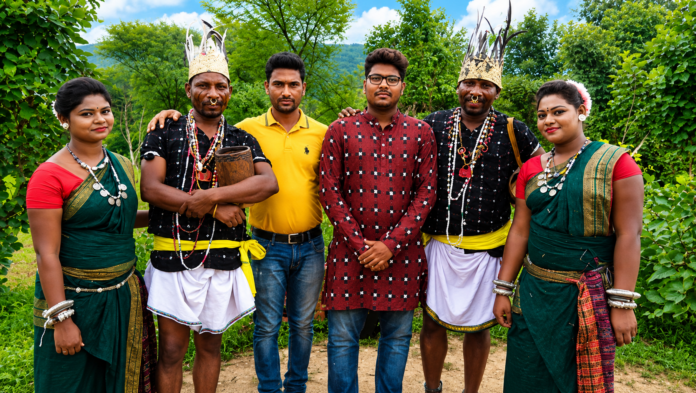
Odisha, June 17, 2026 : As the world moves rapidly toward modernization, many traditional art forms, folk songs, and cultural practices are slowly disappearing from India’s villages. However, in the remote corners of Odisha, one man has dedicated more than a decade to ensuring these traditions are not lost forever.
Meet Rajat Kumar Panigrahi, a zoology lecturer whose passion for cultural preservation has made him one of the strongest voices protecting Odisha’s fading heritage.
A Mission Born from Concern
Rajat’s journey began during his travels across rural Odisha.
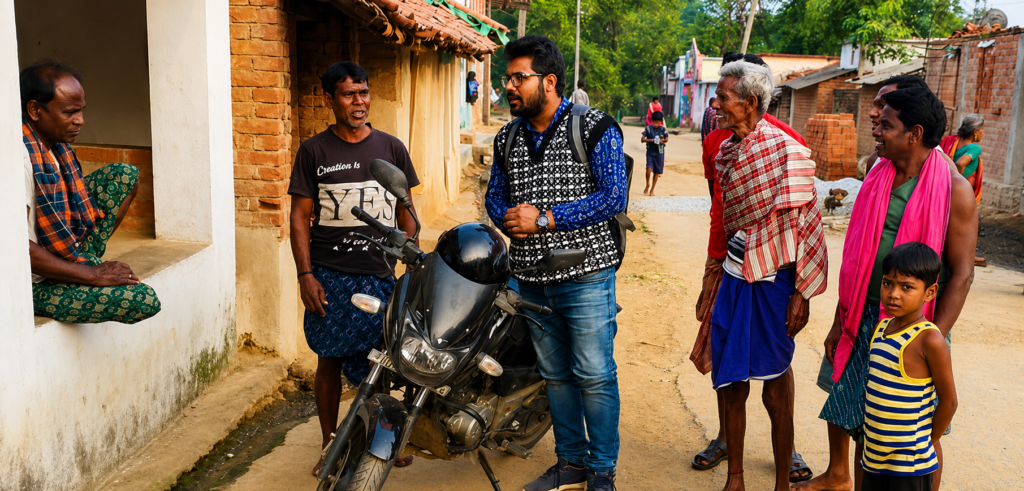
While visiting village communities, he noticed a troubling pattern. Elderly folk singers had no successors. Traditional artisans struggled to continue their craft. Meanwhile, indigenous musical instruments that once filled village celebrations remained unused.
As a result, cultural practices that had survived for generations began fading from public memory.
For many people, these changes went unnoticed. However, Rajat saw them as signs of a growing cultural crisis.
Documenting Odisha’s Cultural Heritage
Determined to make a difference, Rajat started travelling extensively across the state.
Armed with a camera, notebook, and strong determination, he began documenting valuable cultural traditions, including:
- Folk artists and performers
- Tribal customs and traditions
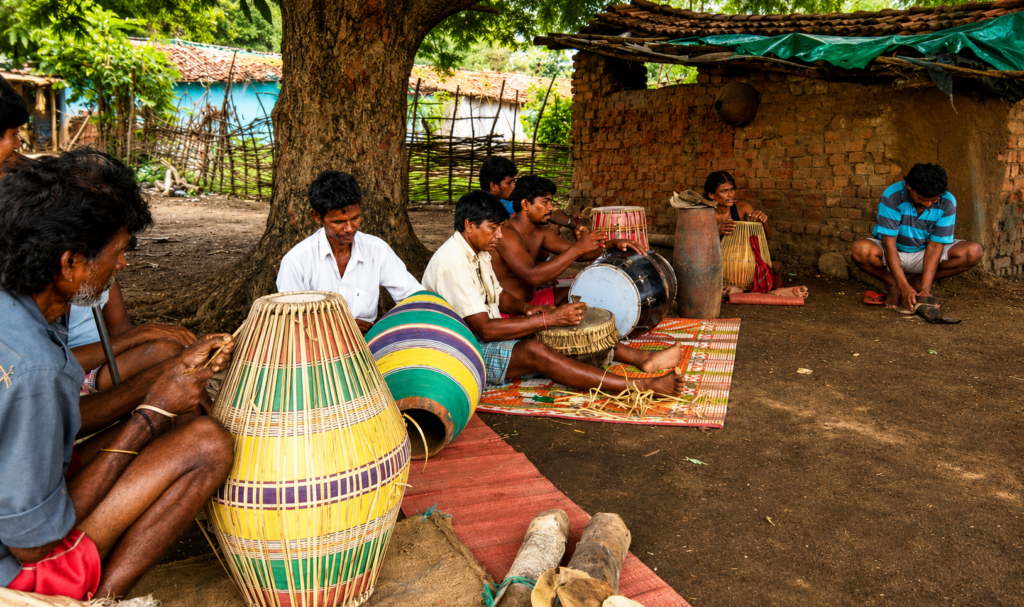
- Indigenous musical instruments
- Traditional handicrafts
- Oral histories
- Village cultural practices
Furthermore, his work took him to remote communities rarely visited by researchers, media organizations, or cultural institutions.
Giving Voice to Forgotten Artists
Over the years, Rajat has met thousands of artists, musicians, craftsmen, and storytellers. He has recorded songs passed down through generations, documented rare art forms, and preserved stories that existed only in the memories of elderly villagers.
Moreover, many artisans who once felt forgotten found renewed recognition through his efforts.By sharing their stories with wider audiences, Rajat helped shine a spotlight on communities that had long remained unseen.
In some cases, this visibility created economic opportunities. In other cases, it restored confidence and pride among artists who felt their traditions were no longer valued.
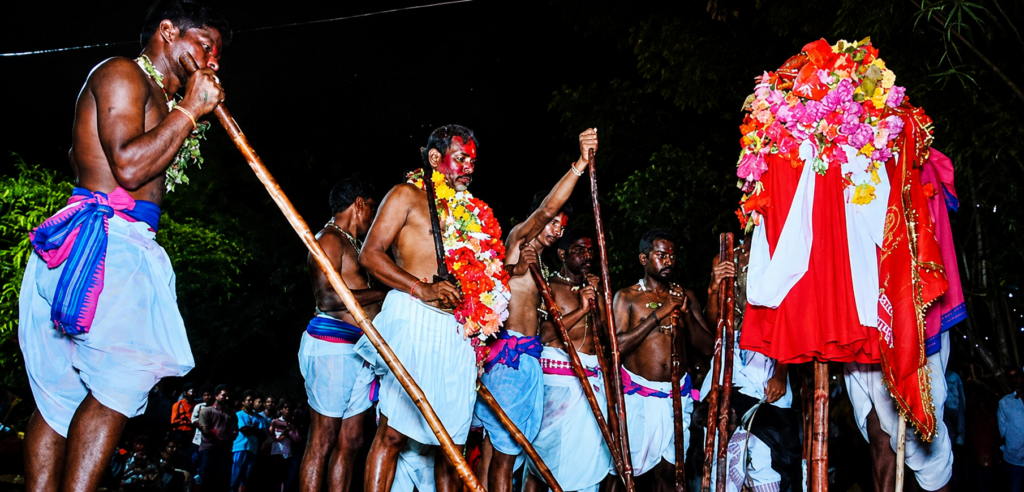
Matira Kala: Preserving Odisha’s Cultural Soul
To strengthen his mission, Rajat launched Matira Kala, an initiative dedicated to preserving Odisha’s rich cultural heritage. Through this platform, he continues to document endangered traditions while creating awareness among younger generations.
Importantly, Matira Kala is not only about recording cultural practices. It is also about helping people understand why these traditions matter. His work demonstrates that preserving culture means preserving identity, memory, and community.
Why Cultural Preservation Matters
Experts warn that many traditional art forms can disappear within a single generation if they are not properly documented and passed on. When a craft, song, language, or tradition vanishes, a part of history disappears with it. Consequently, communities lose important connections to their roots. Future generations may never experience the stories, skills, and knowledge that shaped their ancestors. Therefore, cultural preservation is not simply about protecting the past. It is also about safeguarding the future.
A Journey That Continues
Today, Rajat Kumar Panigrahi continues travelling through Odisha’s villages in search of stories worth preserving. He keeps meeting artists, documenting traditions, recording songs, and preserving voices that might otherwise be lost forever. Meanwhile, rapid modernization continues to transform rural India. Yet Rajat remains committed to his mission. His work serves as a powerful reminder that cultural heritage survives not only through institutions and museums but also through individuals willing to listen, document, and care.
At a time when many traditional practices face the threat of extinction, Rajat Kumar Panigrahi stands as an inspiring example of grassroots cultural preservation. Through his dedication and through Matira Kala, he is helping protect Odisha’s folk traditions, tribal arts, oral histories, and cultural identity. Ultimately, by preserving these stories and traditions, Rajat is preserving a vital part of Odisha’s soul for future generations.