
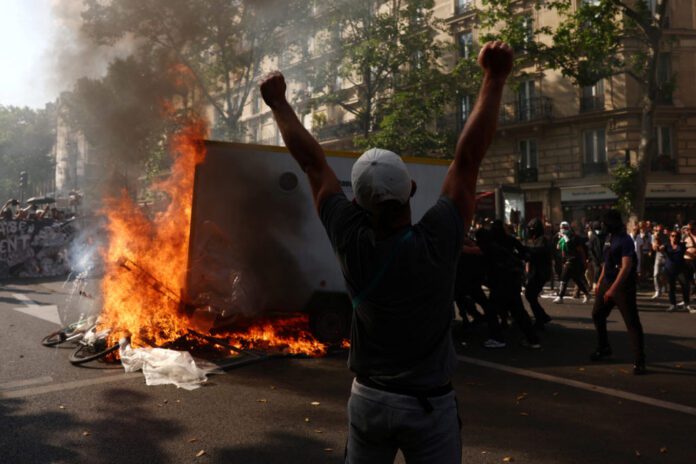
France is facing a fresh wave of public protests as students, workers, trade unions and Yellow Vest activists prepare to take their anger to the streets. What began as a movement over poor school conditions has grown into a wider protest against rising living costs, economic pressure and concerns about public services.
The protests began in mid-September at a high school in Créteil, near Paris. Students raised concerns about damaged school buildings, overcrowded classrooms, teacher shortages and inequality in education. The movement has since spread to thousands of secondary schools across the country, drawing support from teachers, university students and trade unions.
Now, activists from the Yellow Vest movement are also joining the demonstrations. The group became widely known during major protests over living costs in 2018. Some activists have called on people from different generations to unite around shared concerns, including wages, pensions and the rising cost of daily life.
Authorities are preparing for a large turnout, with more than 1,750 possible protest locations listed across France. However, officials are also concerned about further clashes between demonstrators and police. The unrest has already led to injuries among police officers and young protesters, raising questions about crowd control and the use of force.
The government has faced criticism over its response to the student protests. Reports say more than 900 police officers have been injured since the demonstrations began, while thousands of minors have been taken into police custody. Serious injuries to teenagers during earlier protests have also intensified public concern.
The government has announced measures to address some student concerns. These include plans to deploy 3,000 substitute teachers and dropping proposals to increase certain higher education registration fees. However, critics argue that these steps do not address deeper problems in the education system, including unequal access to resources and opportunities.
The protests also come as France faces pressure over its public finances. The government is trying to reduce the budget deficit while maintaining public services. Proposed spending controls and limits on pension increases could add to public frustration.
The growing movement presents a challenge for the government as it prepares its 2027 budget and the country approaches the next presidential election. Whether the different groups can sustain a united campaign remains uncertain. For now, the demonstrations reflect growing public anger over education, purchasing power and the future of France’s social support system.