
NEW DELHI: Concerns are growing over the possible impact of El Niño on India’s weather patterns, with experts warning that the climate phenomenon could affect monsoon rainfall and agricultural production in several parts of the country.
The southwest monsoon is the lifeline of India’s agriculture sector, providing nearly 70% of the country’s annual rainfall. Any significant reduction in rainfall can affect crop production, water availability, and rural livelihoods.
What Is El Niño?
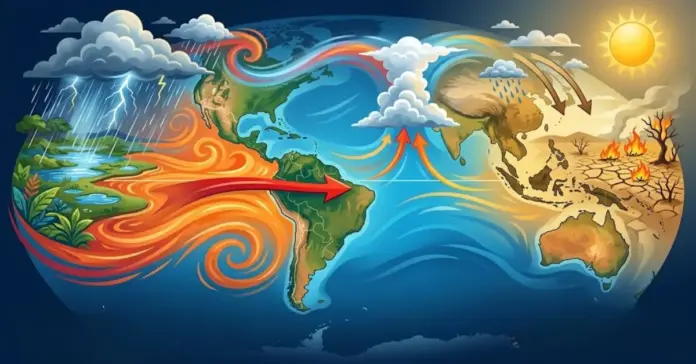
El Niño is a natural climate phenomenon that occurs when sea surface temperatures in the central and eastern Pacific Ocean become warmer than normal. These changes influence global weather patterns and can weaken monsoon systems in many countries, including India.
Historically, several drought years in India have been associated with strong El Niño conditions.
Can El Niño Cause Less Rain in India?
Meteorologists say El Niño does not always lead to drought, but it often increases the risk of below-normal rainfall during the monsoon season.
A weaker monsoon can result in:
- Reduced rainfall across several states
- Water shortages in reservoirs and rivers
- Lower agricultural output
- Stress on drinking water supplies
- Increased risk of heatwaves
However, weather experts also note that other climate factors influence the monsoon, and the final impact depends on the strength and duration of El Niño.
Impact on Agriculture
Agriculture is one of the sectors most vulnerable to monsoon fluctuations. Farmers depend heavily on timely rainfall for sowing and crop growth.
If rainfall remains below normal, crops such as rice, pulses, sugarcane, and oilseeds could face challenges. Reduced agricultural output may also affect food prices and rural incomes.
Government Monitoring Situation
The India Meteorological Department (IMD) and other weather agencies are closely monitoring ocean temperatures and atmospheric conditions. Experts continue to study how global climate patterns may influence India’s rainfall in the coming months.
Authorities have advised states to strengthen water management plans and prepare contingency measures to minimize the impact of any rainfall deficiency.
Why the Monsoon Matters
India receives the majority of its annual rainfall during the southwest monsoon season. Good monsoon rains support agriculture, hydroelectric power generation, groundwater recharge, and drinking water supplies.
A weak monsoon can affect millions of people, particularly farmers and rural communities that depend on rainfall for their livelihoods.
While experts continue to monitor the evolving weather situation, the performance of this year’s monsoon will remain a key factor for India’s economy, agriculture, and water security.