
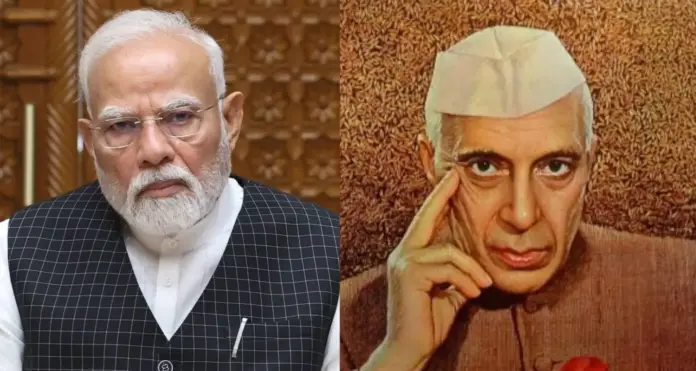
Prime Minister Narendra Modi has become India’s Longest-Serving Elected Prime Minister, surpassing the tenure record previously held by Jawaharlal Nehru.
Modi first assumed office on May 26, 2014, and has since secured three consecutive electoral victories, leading the BJP-led National Democratic Alliance (NDA). The milestone marks a significant moment in India’s democratic and political history.
Historic Political Achievement
Modi’s tenure reflects more than a decade of continuous leadership at the national level.
His supporters describe the achievement as evidence of sustained public trust and electoral success. The BJP has remained the dominant force in national politics through the 2014, 2019 and 2024 general elections.
As a result, Modi now holds the distinction of being India’s longest-serving elected Prime Minister.
Infrastructure and Digital Growth
Supporters highlight major infrastructure and technology achievements during Modi’s tenure.
India’s airport network has expanded significantly, while national highway development has accelerated across the country. Furthermore, digital payment systems have witnessed rapid growth, with UPI becoming one of the world’s largest real-time payment platforms.
The government has also focused on manufacturing, welfare delivery, digital governance and infrastructure modernization.
Critics Raise Economic Concerns
Despite these achievements, critics continue to question several aspects of the government’s economic record.
Concerns remain over unemployment, particularly among educated youth. Opposition leaders have also argued that economic growth benefits have not reached all sections of society equally.
These debates continue to shape India’s political landscape as the country moves toward future elections.
Focus Turns to 2029
The milestone arrives as political parties begin preparing for the next phase of national politics.
With Modi remaining the central figure in Indian politics, attention is already turning toward the 2029 Lok Sabha elections and the future direction of the country.
For supporters, the record reflects stability and continuity. For critics, it provides an opportunity to intensify debates over governance and economic outcomes.