
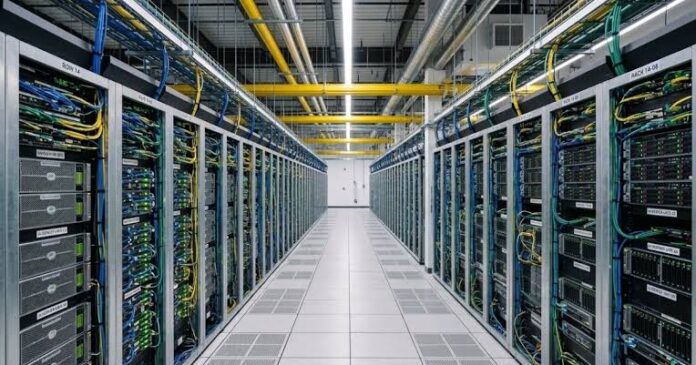
Telangana wants to grow its data centre capacity more than 16 times in the next three years. Deputy Chief Minister and Energy Minister Mallu Bhatti Vikramarka said on Thursday, November 26, that the state aims to reach 5 GW of data centre capacity by 2029. He spoke at a meeting with data centre operators and green energy companies at Praja Bhavan in Hyderabad.
Telangana Data Centre Capacity: Where It Stands
- Running now: About 300 MW of data centre capacity is operational in the state.
- In the pipeline: Another 2 GW is expected through investments already lined up.
- Target: 5 GW by 2029.
“The State’s goal is to achieve a capacity of 5 GW by 2029,” Bhatti Vikramarka said, according to Telangana Today.
Why Hyderabad, According to the Government
The Deputy CM linked the rush of interest to the growth of artificial intelligence and Hyderabad’s large IT sector. He said operators are keen to invest in and around the city.
He pointed to the city’s infrastructure, skilled workforce and climate as key advantages. He said Hyderabad’s weather suits data centres because it is not humid, unlike several other parts of India. Lower humidity can make it easier to cool large server halls.
The government says it is focusing on strong infrastructure and uninterrupted power supply to attract more investment. Green energy firms were part of Thursday’s meeting, as data centres need large amounts of electricity round the clock.
Why It Matters
Data centres are the backbone of cloud services, digital payments and AI tools. Southern states are competing hard to attract them, and a 5 GW target would put Telangana among the most ambitious players in the country.
The push has also drawn questions. The government has faced criticism over the TCS AI data centre being built on 264 acres in Hyderabad, an issue that was raised in the Assembly during its last session. Various groups have also flagged the high water and power needs of such facilities.
What’s Next
Reaching 5 GW will depend on how fast the 2 GW pipeline turns into working capacity and whether the state can line up enough reliable, and preferably green, power. How the government balances this growth with water and land concerns will be closely watched.