
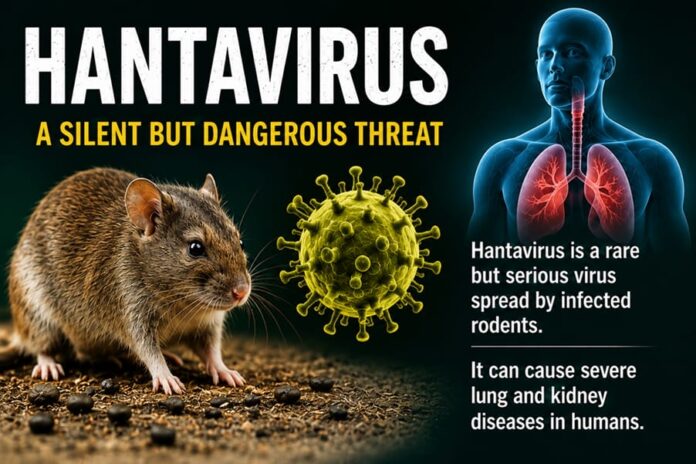
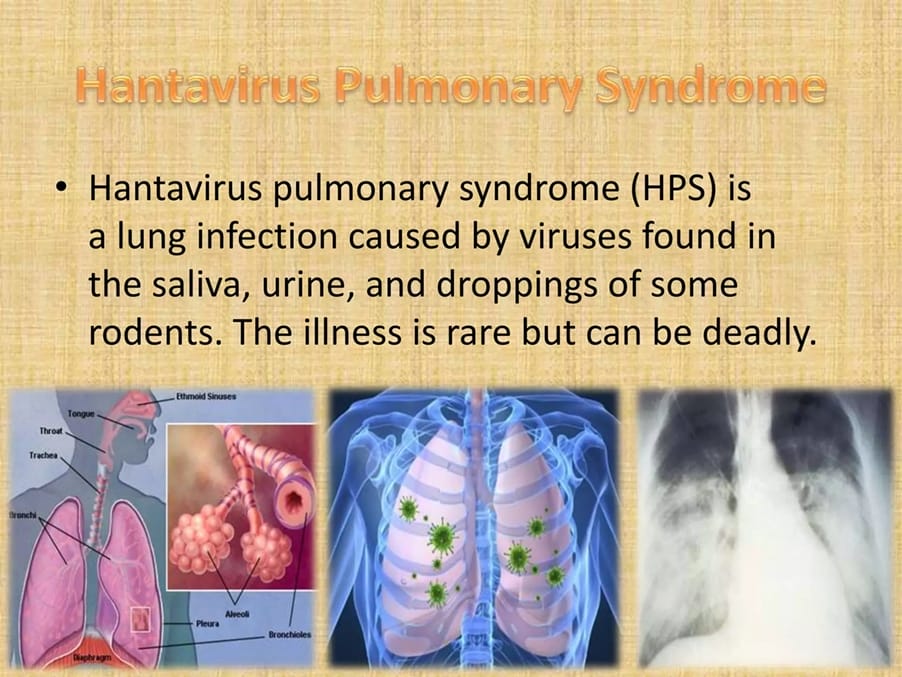
A Rare but Dangerous Disease: Hantavirus Infection is a serious viral disease that spreads mainly through infected rodents such as rats and mice. Though rare, the virus has become a growing public health concern because of its ability to cause severe lung and kidney complications in humans.
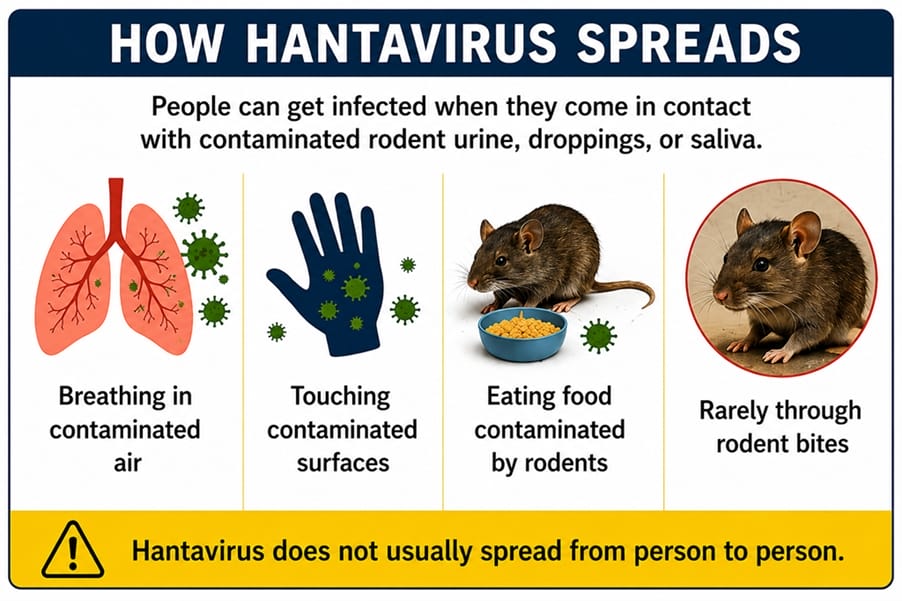
Health experts warn that people living in areas with poor sanitation, rodent infestations, or unhygienic surroundings are at greater risk of infection. The virus does not usually spread directly from person to person, but humans can become infected by inhaling air contaminated with rodent urine, saliva, or droppings.
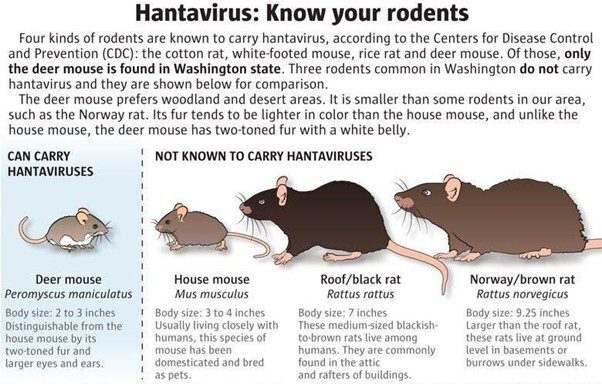
The disease gained global attention after several outbreaks were reported across countries including the United States, China, and South Korea.
Symptoms That Should Never Be Ignored
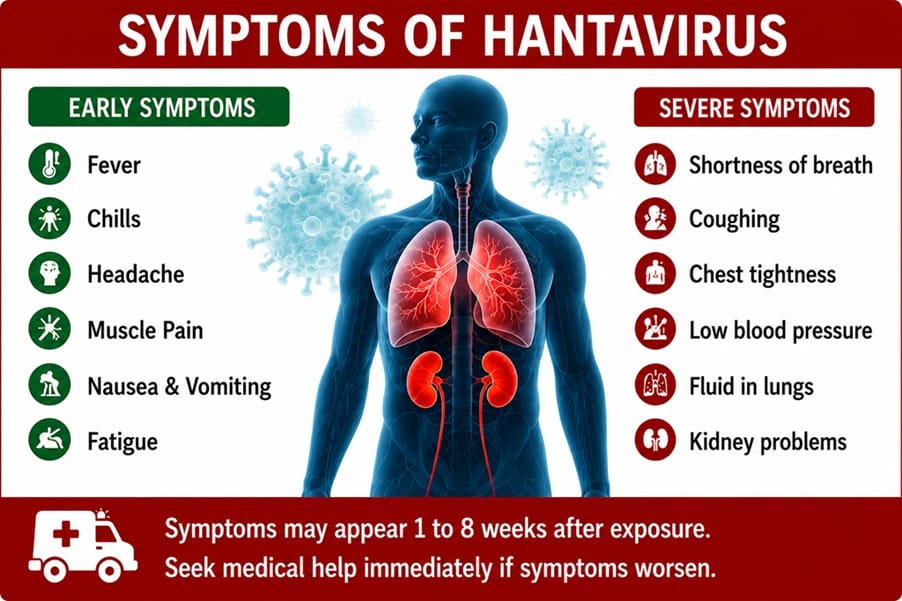
The early symptoms of hantavirus often resemble common viral infections, making diagnosis difficult during the initial stages.
Common Early Symptoms
- Fever and chills
- Severe body pains
- Headache and fatigue
- Nausea and vomiting
- Dizziness
As the infection progresses, patients may develop severe breathing difficulties and other life-threatening complications.
Severe Symptoms
- Persistent coughing
- Shortness of breath
- Chest tightness
- Fluid build-up in the lungs
- Low blood pressure
- Kidney complications
Medical experts say the condition can worsen rapidly within a few hours, making early hospitalization extremely important.
Precautions and Safety Measures
Doctors and health authorities emphasize that prevention remains the strongest defence against hantavirus infection.
Important Precautions
Maintain Clean Surroundings
Keeping homes, workplaces, and storage areas clean can reduce rodent activity significantly.
Avoid Rodent Exposure
- Seal cracks and holes in buildings
- Store food in airtight containers
- Dispose of garbage properly
- Avoid direct contact with rodents
Follow Safe Cleaning Practices
Experts advise against sweeping or vacuuming rodent droppings directly, as this may spread infected particles into the air.
Instead:
- Wear gloves and a mask
- Spray disinfectant before cleaning
- Use disposable towels to wipe surfaces
- Wash hands thoroughly afterward
Stay Cautious During Outdoor Activities
Campers, farmers, and field workers should avoid sleeping or working near rodent-infested areas.
Treatment and Medical Response
Currently, there is no specific cure for Hantavirus Infection. Treatment mainly focuses on supportive medical care.
Common Medical Support Includes
- Oxygen therapy
- Intensive care monitoring
- Intravenous fluids
- Mechanical ventilation for severe respiratory cases
- Dialysis in kidney-related complications
Doctors state that early medical attention can significantly improve survival chances.
Conclusion
Hantavirus Infection may be rare, but its impact can be devastating if ignored. The disease highlights the importance of public hygiene, rodent control, and health awareness in preventing viral outbreaks.
As urban expansion and environmental changes increase human interaction with rodents, experts stress the need for stronger sanitation practices and public awareness campaigns.
Simple preventive measures, timely diagnosis, and immediate medical care remain the most effective ways to protect communities from this silent viral threat.