
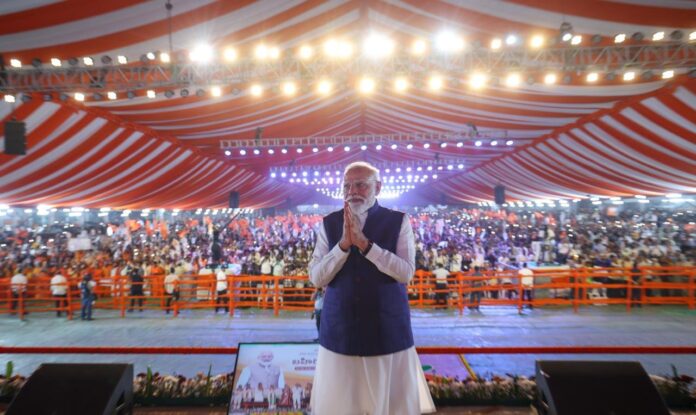
PM Modi Urges Citizens to Conserve Fuel
Prime Minister Narendra Modi has urged citizens to adopt fuel conservation measures amid the ongoing global energy crisis and rising economic uncertainty. Stressing the need for responsible energy usage, the Prime Minister called for collective public participation to reduce fuel consumption and strengthen India’s economic resilience.
The appeal comes at a time when global crude oil prices, supply chain disruptions and geopolitical tensions continue to impact energy markets across the world.
Public Transport, EVs and Car-Pooling Encouraged
As part of the proposed measures, PM Modi encouraged citizens to increasingly use public transport systems, adopt car-pooling practices and shift towards electric vehicles wherever possible.
Experts believe that reducing dependence on fossil fuels could help India lower fuel imports and decrease pressure on domestic energy resources. The Prime Minister reportedly highlighted that even small behavioral changes by citizens could collectively create a major national impact.
Work From Home Revival Suggested
PM Modi also suggested reviving Work From Home practices wherever feasible to reduce daily fuel consumption caused by large-scale commuting in urban areas.
During the COVID-19 pandemic, remote working significantly reduced traffic congestion and fuel usage across major Indian cities. The renewed push for hybrid or remote work models is being viewed as an attempt to cut unnecessary fuel expenditure during uncertain global conditions.
Appeal to Avoid Non-Essential Foreign Trips and Gold Purchases
The Prime Minister reportedly advised citizens to avoid non-essential foreign travel and reduce excessive gold purchases.
Economic experts often view high gold imports as a factor affecting India’s trade balance and foreign exchange outflow. Limiting unnecessary imports and discretionary spending could help stabilize economic conditions during periods of global volatility.
Farmers Asked to Reduce Chemical Fertiliser Usage
PM Modi also appealed to farmers to reduce chemical fertiliser usage by 50 percent and move towards more sustainable agricultural practices.
The government has been promoting natural farming and balanced fertiliser usage in recent years to reduce dependency on costly imports and improve long-term soil health. Agricultural experts say reducing excessive chemical fertiliser usage could also help cut subsidy burdens and environmental damage.
Global Energy Crisis Raises Concerns
The global energy crisis continues to impact multiple economies, with countries facing rising fuel prices, inflationary pressure and supply disruptions. India, being one of the world’s largest energy consumers, remains highly sensitive to fluctuations in global crude oil markets.
PM Modi’s latest appeal is being seen as part of a broader effort to encourage economic discipline, energy efficiency and sustainable resource management across the country.