
By South Matters Business Desk | Global Economy
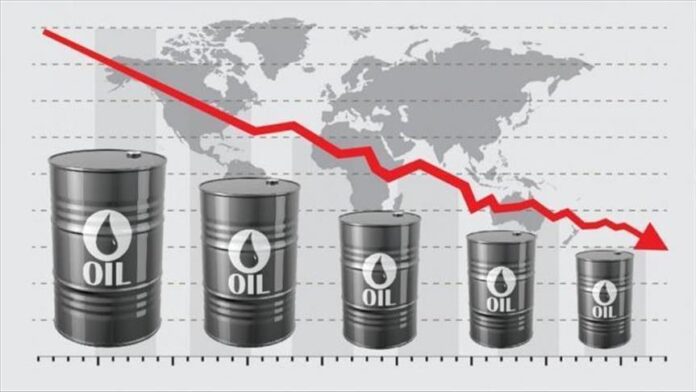
Global markets witnessed a significant decline in crude prices as the latest oil prices fall followed reports of a tentative extension of the ceasefire between the United States and Iran.
The easing of geopolitical tensions reduced fears of supply disruptions through the strategically important Strait of Hormuz, one of the world’s busiest oil shipping routes.
The development has raised hopes among consumers and businesses that fuel costs could stabilize after months of volatility.
Crude Oil Prices Decline
The latest oil prices fall saw U.S. crude benchmarks move lower during Friday trading.
Key market figures included:
- West Texas Intermediate (WTI) crude falling 1.7% to $87.36 per barrel
- Brent crude settling at $91.12 per barrel
The decline capped a volatile month for energy markets, with WTI crude ending May down more than 16%.
Investors welcomed signs that tensions in the Middle East may be easing, reducing concerns about major supply disruptions.
Strait Of Hormuz Remains Key Focus
The oil prices fall comes after reports that diplomatic efforts could help keep the Strait of Hormuz open for international shipping.
The waterway handles a significant portion of the world’s crude oil exports and remains a critical route for global energy supplies.
Earlier fears of conflict had pushed crude prices above $100 per barrel, increasing pressure on fuel-importing nations.
Market analysts believe continued stability in the region could help maintain lower oil prices in the coming weeks.
What It Means For India
The recent oil prices fall has sparked discussions in India about whether petrol and diesel prices could decrease.
Fuel prices in major cities remain elevated after previous increases. In Delhi, petrol prices have crossed ₹102 per litre while diesel prices remain above ₹95 per litre.
However, experts point out that international crude prices are only one factor affecting retail fuel rates in India.
Other factors include:
- Central and state taxes
- Refining costs
- Transportation expenses
- Exchange rate fluctuations
- Global market conditions
Will Petrol Prices Come Down?
Despite the latest oil prices fall, immediate reductions in fuel prices are not guaranteed.
India imports a large share of its crude oil requirements, making the country sensitive to currency movements and international market trends.
A weaker rupee against the U.S. dollar can offset some benefits from lower global crude prices.
Economists say sustained declines in crude oil over several weeks would be more likely to influence domestic fuel pricing decisions.
Global Markets Watch Next Steps
Investors continue monitoring diplomatic developments between the United States and Iran.
The current oil prices fall reflects optimism that tensions may remain under control and that energy supplies will continue flowing normally through global trade routes.
Any major escalation in the region could quickly reverse the trend and push prices higher again.
For now, markets remain cautiously optimistic as lower crude prices provide some relief to businesses, governments and consumers around the world.