Kolkata: The West Bengal school meals egg vs soya debate has drawn attention across the country. The discussion began after ISKCON removed its Vice President, Radharaman Das. His comments on school nutrition sparked strong reactions.
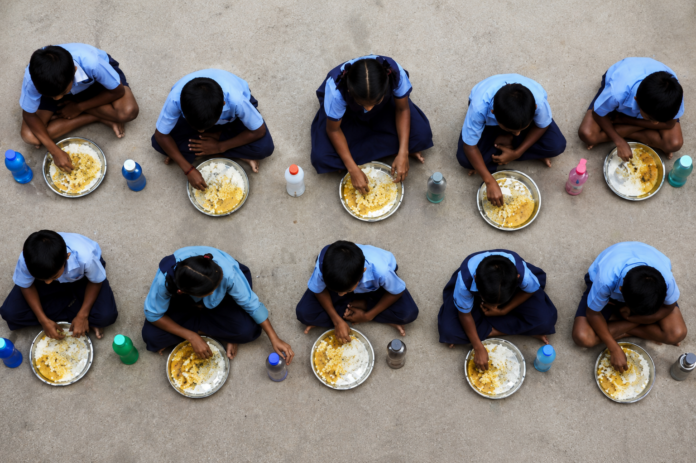
The West Bengal government recently started a pilot project with ISKCON’s Annamitra Foundation. The project aims to improve school meals. The government increased the meal budget from ₹8 to ₹10 per child. The extra funding will help improve hygiene and food quality.
Why the Debate Started
Radharaman Das said soya is a better source of protein than eggs. He claimed soya can meet the nutritional needs of schoolchildren through vegetarian meals.
Many nutrition experts disagreed. They said eggs provide complete protein. Eggs contain all the essential amino acids that children need. They also provide vitamin B12, vitamin D, iron and other key nutrients. Experts added that eggs are easy to cook and serve. They are also useful for children who suffer from malnutrition.
ISKCON Removes Its Vice President
The debate quickly spread on social media. News outlets also covered the issue. Soon after, ISKCON removed Radharaman Das from the post of Vice President. The organisation said he had spoken beyond his official role.
The decision added more attention to the West Bengal school meals egg vs soya debate.
Government Stands by the Pilot Project
West Bengal officials said the pilot follows approved nutrition guidelines. They said schools will continue to offer different vegetarian meals. Officials also said the menus provide balanced nutrition for children.
The government stressed that the project focuses on safe and healthy meals. Better hygiene and improved food quality remain the main goals.
Nutrition Remains the Main Concern
The West Bengal school meals egg vs soya debate has raised an important question. What is the best way to provide healthy food to schoolchildren?
Supporters of soya point to its high protein content. Supporters of eggs highlight their complete nutrition and easy preparation. Experts say both foods have nutritional value. However, the final decision depends on government policy and nutrition guidelines.
The debate continues. Still, everyone agrees on one goal. Every child should receive safe, healthy and nutritious meals at school.