
By South Matters Business Desk | Economy & Banking
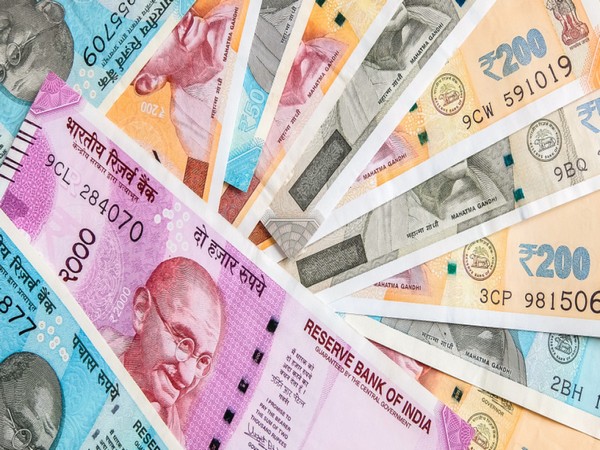
India could be heading toward a major change in its currency system as reports suggest that the Reserve Bank of India (RBI) is exploring the possibility of introducing polymer, or plastic, banknotes.
If implemented, the move would mark one of the biggest transformations in Indian currency since the introduction of the new rupee note series.
What Are Polymer Notes?
Polymer banknotes are made from a special type of plastic instead of traditional cotton-based paper.
Countries such as Australia, Canada, United Kingdom and Singapore already use polymer currency.
These notes typically last much longer than paper notes and include advanced security features.
As a result, many central banks have adopted polymer technology to reduce counterfeiting and replacement costs.
Why Is RBI Considering The Change?
The discussion around Plastic currency notes India comes as authorities look for ways to improve the durability of banknotes in circulation.
Paper notes often suffer from wear and tear, especially in a country with heavy cash usage.
Polymer notes offer several advantages:
- Longer lifespan
- Better resistance to water and dirt
- Enhanced anti-counterfeiting features
- Lower replacement costs over time
- Improved note quality during circulation
Consequently, the switch could help reduce the cost of printing replacement notes.
How Would Plastic Notes Look?
Polymer notes generally feature transparent security windows, advanced holograms and sophisticated anti-copying elements.
However, any future Indian polymer notes would likely continue carrying familiar national symbols and designs.
The RBI has not announced any final design or rollout timeline.
Therefore, any potential transition remains under evaluation.
Could Existing Notes Become Invalid?
No official proposal suggests withdrawing existing currency immediately.
If polymer notes are introduced, they would likely circulate alongside current paper notes during a transition period.
Furthermore, experts believe a gradual rollout would minimize disruption for businesses and consumers.
Public Reaction Sparks Online Buzz
The possibility of Plastic currency notes India has already generated discussion on social media.
Some users welcome the prospect of stronger and cleaner notes, while others have expressed curiosity about how the new currency would feel and function in daily transactions.
Meanwhile, banking experts note that digital payments continue to grow rapidly, but cash remains an important part of India’s economy.
A Major Shift In India’s Currency Future
Although no final decision has been announced, the discussion highlights the RBI’s efforts to modernize India’s financial infrastructure.
If adopted, polymer notes could provide greater durability, improved security and lower long-term costs.
For now, millions of Indians will be watching closely to see whether the country joins the growing list of nations using plastic currency.