
By South Matters World Desk | International Affairs
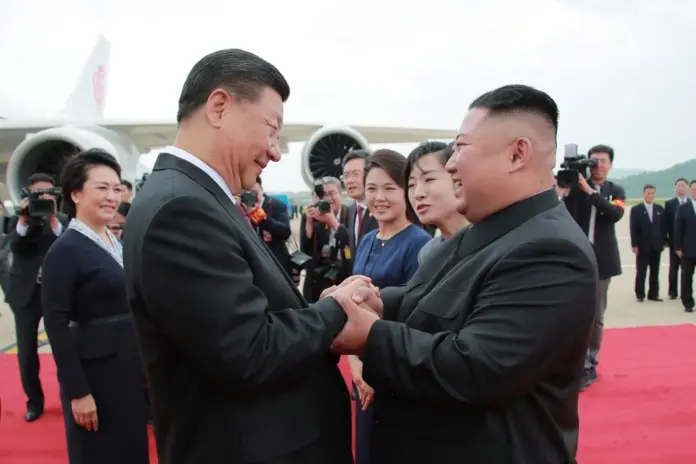
Chinese President Xi Jinping will visit North Korea on June 8 for a two-day trip at the invitation of North Korean leader Kim Jong-un, according to China’s Foreign Ministry. The visit comes at a time when Pyongyang is seeking closer ties with both China and Russia amid growing geopolitical tensions.

Trip Follows Xi–Putin Summit
The announcement follows a recent summit between Xi and Russian President Vladimir Putin in Beijing. After that meeting, China and Russia issued joint statements emphasizing deeper strategic coordination and stronger bilateral cooperation.
One statement focused on the Korean Peninsula and argued that peace and stability there serve the interests of Northeast Asia and the broader international community. The two governments also criticized what they described as efforts to isolate North Korea through sanctions, diplomatic pressure, and military measures.
Why this matters
- Xi is making a rare trip to North KoreaThe visit signals that Beijing wants to keep close channels open with Pyongyang.
- China and Russia have tightened coordinationTheir recent joint statements stressed cooperation and opposition to pressure campaigns against North Korea.
- The move points to a stronger regional alignmentAnalysts see growing coordination among North Korea, China, and Russia on security and diplomacy.
- Washington and regional allies are watching closelyAny deeper cooperation could affect sanctions policy, military planning, and diplomacy in Northeast Asia.
Growing Trilateral Alignment
Analysts have increasingly pointed to signs of a closer strategic alignment among North Korea, China, and Russia. Beijing and Moscow have both called for restraint and warned against actions that could increase tensions or trigger an arms race in the region.
For Pyongyang, stronger ties with China and Russia could provide diplomatic support and economic breathing room. For Beijing and Moscow, engagement with North Korea offers additional leverage in broader competition with the United States and its allies in Asia.
Regional Implications
The visit will be closely watched by governments across Northeast Asia. South Korea, Japan, and the United States are likely to assess whether the trip leads to new economic agreements, security coordination, or diplomatic initiatives involving North Korea.
While no major policy announcements have been confirmed yet, Xi’s decision to travel to Pyongyang underscores the importance China attaches to its relationship with North Korea at a time of shifting regional power dynamics.