
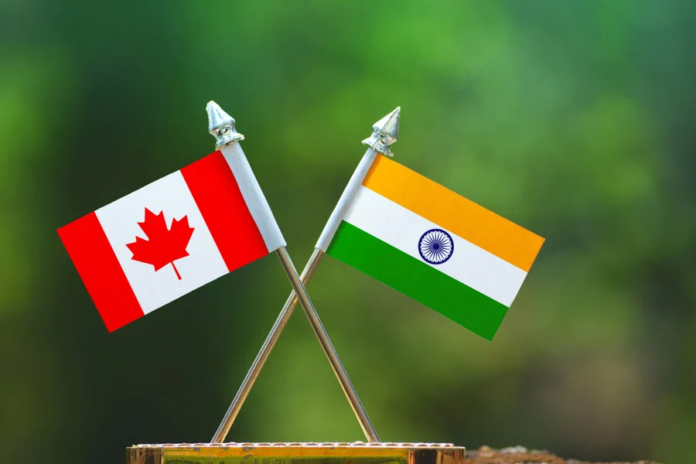
India and Canada have started the fourth round of negotiations for a proposed Comprehensive Economic Partnership Agreement (CEPA) in New Delhi. The five-day talks began on September 14 and will continue until September 18, with both countries looking to strengthen economic ties and increase bilateral trade.
The negotiations cover several important areas, including trade in goods and services, rules of origin and technical barriers to trade. Both sides are working towards creating better market access and improving trade opportunities for businesses in India and Canada.
India and Canada have set an ambitious target of increasing bilateral trade to 50 billion US dollars by 2030. However, trade between the two countries declined in 2025-26. Bilateral trade fell by 8.22 percent to 7.95 billion US dollars from 8.66 billion US dollars recorded in 2024-25.
India exports a range of products to Canada, including pharmaceuticals, iron and steel, seafood, cotton garments, electronics and chemicals. Canada, meanwhile, supplies India with products such as pulses, pearls and semi-precious stones, coal, fertilisers, paper and crude oil.
Services are another important part of the economic relationship. India’s major services exports to Canada include telecommunications, computer and information services and other business services.
The proposed CEPA is expected to focus on reducing trade barriers and creating a more predictable environment for businesses in both countries. A successful agreement could help expand investment, exports and cooperation across several sectors.
People-to-people connections are also an important part of India-Canada relations. Canada is home to more than 425,000 Indian students, along with a large community of people of Indian origin.
The latest round follows the third round of CEPA negotiations, which was held in Ottawa in July. The ongoing discussions in New Delhi are expected to build on the progress made during the earlier rounds.
The fourth round of talks comes as both countries seek to strengthen economic engagement and work towards their long-term trade target. The outcome of the negotiations could play an important role in shaping future commercial relations between India and Canada.