
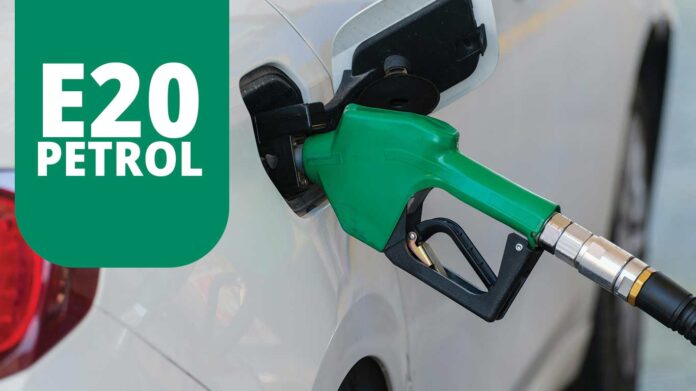
A debate has emerged among vehicle owners over reports that insurance claims could be denied if E20 fuel is used in vehicles that are not certified to run on it.
E20 is a petrol blend containing 20% ethanol and 80% petrol. The Indian government is promoting its use to reduce crude oil imports, lower emissions, and support farmers through increased ethanol production.
However, automobile experts warn that long-term use of E20 fuel in non-compatible vehicles may affect fuel lines, rubber components, fuel injectors, engine performance, and overall vehicle durability. Manufacturers usually specify E20 compatibility in the vehicle owner’s manual.
The controversy gained attention after claims circulated on social media suggesting that insurers may consider the use of incompatible fuel as owner negligence. Insurance companies generally evaluate claims based on the cause of damage, compliance with manufacturer guidelines, maintenance records, and policy terms.
If an investigation finds that vehicle damage was directly caused by the use of fuel that goes against manufacturer recommendations, insurers may review whether policy exclusions apply.
Many vehicle owners have expressed concerns that the increasing availability of E20 fuel leaves them with limited alternatives at fuel stations. Consumer groups have called for clearer communication, better fuel labeling, and greater transparency from both automakers and insurance companies.
Experts advise vehicle owners to check their vehicle’s E20 compatibility, follow manufacturer guidelines, review insurance policy terms, and rely on official information rather than social media rumours.
While India’s ethanol-blending programme is an important step toward energy security and cleaner transportation, experts say clear guidance is essential to ensure consumers are not left uncertain about fuel compatibility and insurance coverage.