
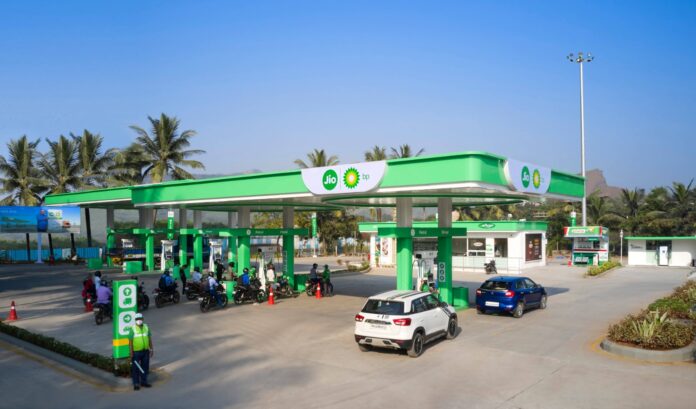
Fuel prices have increased at Jio-bp petrol stations from October 11, adding to the burden on motorists and businesses that depend on road transport. The fuel retail joint venture backed by Reliance Industries and bp has reportedly raised petrol prices by ₹5 per litre and diesel prices by ₹3 per litre.
The revised prices vary across states because local taxes and other charges differ from one region to another. In Haryana, petrol is reportedly selling at around ₹109.80 per litre, while diesel costs approximately ₹97.75 per litre, according to reported dealer prices. Customers should check their local Jio-bp station for the latest rates.
The increase follows a similar price revision by private fuel retailer Nayara Energy on October 3. Private fuel companies have faced pressure from higher international crude oil and refined fuel prices, even as domestic retail rates remained largely unchanged for several months.
When global procurement costs rise but retail prices remain stable, fuel retailers can face pressure on their margins. Private operators may respond by adjusting prices to reflect higher costs. However, the impact can differ depending on purchasing costs, local taxes and individual pricing decisions.
State-run oil marketing companies have reportedly kept petrol and diesel prices unchanged so far. This means customers may see different prices depending on whether they purchase fuel from a private retailer or a public-sector oil company.
For consumers, the immediate impact is higher spending on fuel at affected Jio-bp stations. The petrol price increase means a customer buying 10 litres would pay ₹50 more than before, while a 10-litre diesel purchase would cost ₹30 more, based on the reported increases.
Higher fuel costs can also affect businesses that rely on transport, including logistics companies, delivery services and goods carriers. If elevated fuel prices continue, operating costs could come under further pressure.
The latest increase highlights the challenges facing fuel retailers when international costs rise faster than domestic selling prices. Customers should verify local prices before refuelling, as rates may vary by location and retailer.