
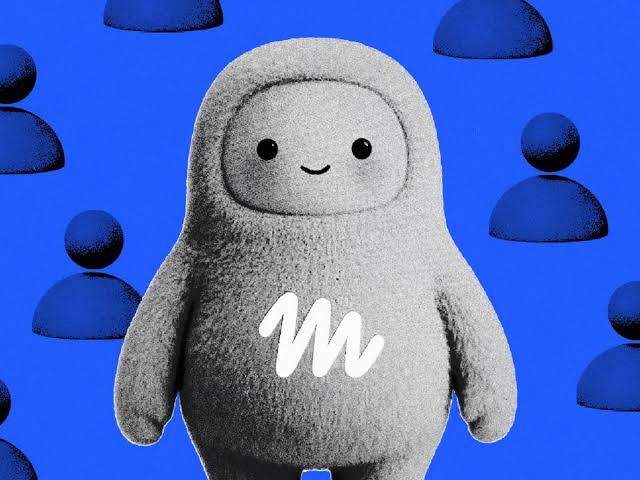
Meta is introducing Muse as a personal AI agent integrated into Instagram. Unlike traditional chatbots that mainly answer questions, Muse is designed to take action and complete multi-step tasks for users.
Muse can help with tasks such as web research, price tracking, scheduling posts, managing messages and planning trips. The assistant is designed to understand a user’s request and work through multiple steps instead of simply providing a text response.
One of the key integrations is Instagram’s sharing menu. Users may see Muse when they tap the share button. Content can be sent directly to the AI agent for analysis, research or summarisation.
Muse can also appear on an Instagram profile. Users can add their personal Muse agent to their profile through a banner or badge placed below the bio. Other people can tap the feature to start interacting with the agent.
The AI assistant is organised around several areas. The Chat section handles general requests, web browsing and communication-related tasks. The Feed and Ideas sections are designed to provide personalised content suggestions and possible actions.
Muse also includes a Goals section that can help users track longer-term activities and receive reminders or suggestions. Another feature called Artifacts can create lightweight apps and tools based on what users request.
Meta says Muse operates in a controlled environment known as Muse Secure VM. The system is designed to protect sensitive information while allowing the AI agent to perform approved tasks.
For sensitive actions such as purchases or bookings, users are required to give explicit approval before the action can be completed. Muse is also designed not to access users’ passwords or payment credentials.
The feature is being rolled out gradually, so availability may differ between Instagram accounts and regions. Users can update Instagram to the latest version and check whether Muse is available on their account.
The introduction of Muse represents another step towards AI assistants becoming integrated directly into social media platforms. Instead of using AI only for conversations, users may increasingly use agents to research information, organise tasks and interact with online services.
For Instagram users, the most noticeable changes could be the appearance of Muse in the sharing interface and the option to place a personal AI agent directly on a profile.