
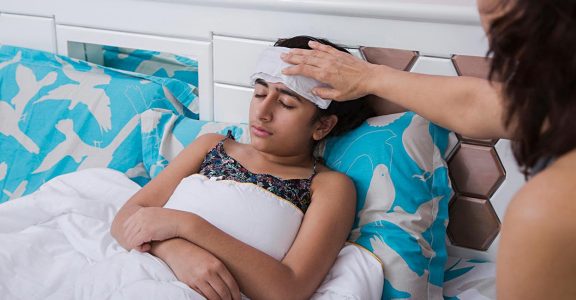
Thiruvananthapuram, 17 June 2026: Kerala is in the grip of a severe monsoon health crisis, with hospitals across the state recording more than 13,000 fever cases in a single day, according to recent data from the Directorate of Health Services. The surge spans viral fever, dengue, leptospirosis, a fast-spreading Shigella outbreak, and a confirmed Nipah virus case, prompting health authorities to issue a high alert.
Hotspots Across the State
District-wise data shows Kozhikode and Malappuram emerging as the worst-hit regions this year, followed closely by Thiruvananthapuram, Ernakulam, and Thrissur. Health officials say the combination of heavy rainfall, waterlogging, and disrupted pre-monsoon cleaning drives has created ideal breeding conditions for mosquitoes and bacteria alike.
State Health Minister K. Muraleedharan recently told reporters that local body and assembly elections held late last year delayed routine sanitation work, leaving many areas without the usual cleanup before the rains arrived. He added that a high-level panel is now being set up to study the causes behind this year’s spike in communicable diseases.
Shigella Cases Climb Sharply
Among the most worrying trends is the rise in Shigella infections, a highly contagious bacterial illness that causes severe diarrhoea and dehydration. The state has recorded 147 confirmed cases since January, with 71 of them reported in June alone. Five deaths have been linked to the infection so far this year, four of them this month, including a seven-year-old boy from Malappuram who died this week at Kozhikode Medical College Hospital after developing fever and diarrhoea.
Kozhikode has reported the highest Shigella caseload, followed by Malappuram and Thiruvananthapuram. Health officials say the infection spreads easily through contaminated food, unsafe drinking water, and close contact, making children and the elderly especially vulnerable.
Dengue and Leptospirosis Remain a Persistent Threat
Dengue and leptospirosis, commonly known as rat fever, continue to add pressure on the healthcare system. Stagnant rainwater and poor garbage disposal have helped both mosquitoes and disease-causing bacteria thrive. Health department figures show that leptospirosis, dengue, and jaundice combined have claimed dozens of lives over the past six months, with several more fatalities confirmed in recent weeks, including cases in Wayanad, Palakkad, and Ernakulam.
Nipah Alert in Kozhikode
Adding to the concern, health authorities confirmed a Nipah virus infection in Kozhikode, a district with a history of past outbreaks of the deadly virus. The Health Department has activated containment protocols, including contact tracing and isolation measures, as a precaution against further spread.
What Health Officials Are Advising
Doctors and the state health ministry are urging the public to take preventive steps seriously:
Avoid self-medication. Taking painkillers or antibiotics without a doctor’s prescription can worsen infections such as dengue and should be avoided entirely.
Practice strict food and water hygiene. Residents are advised to drink only boiled or filtered water, avoid raw or unpasteurised foods at gatherings, and wash hands frequently to prevent Shigella and other intestinal infections.
Eliminate mosquito breeding spots. Clearing stagnant water around homes, offices, and construction sites remains the most effective way to curb dengue transmission.
Seek early medical care. Health officials stress that prompt treatment for fever, persistent diarrhoea, or unusual symptoms can significantly reduce the risk of complications and death.
A Season of Heightened Vigilance
With the monsoon expected to continue for several more weeks, health experts warn that the current numbers could climb further unless sanitation and surveillance efforts are scaled up quickly. Authorities have acknowledged gaps in hospital readiness and medicine availability in some areas, even as they continue door-to-door awareness campaigns across affected districts.
For now, Kerala’s health system remains on high alert, balancing an unusually heavy fever season with the added challenge of containing a confirmed Nipah case, a combination that officials say demands sustained public cooperation in the weeks ahead.