
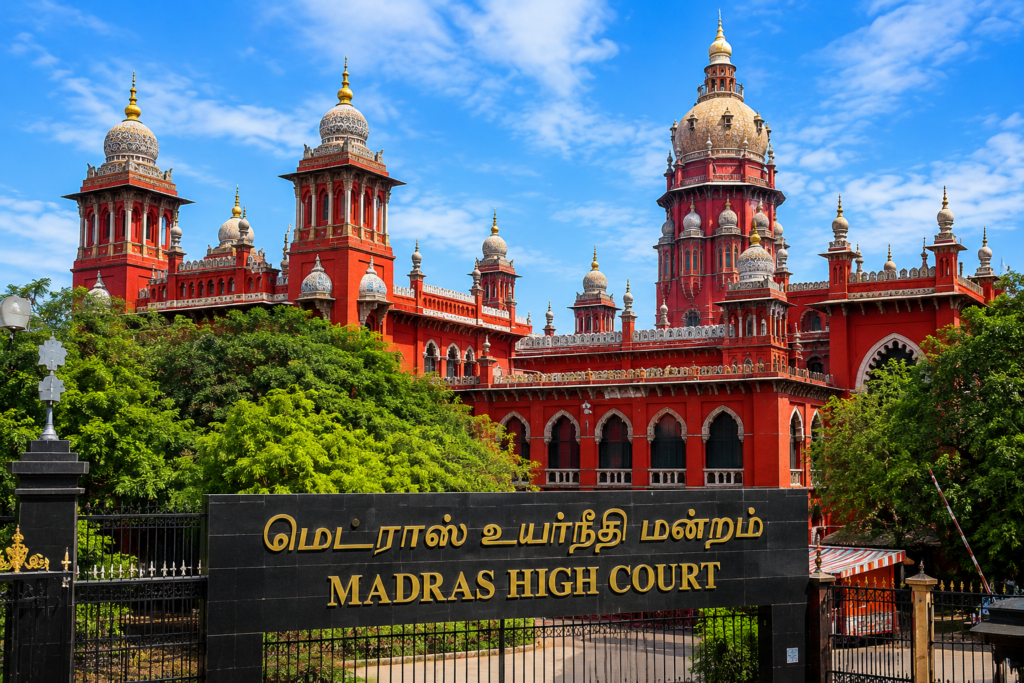
CHENNAI: In a significant observation that could reshape the narrative around affirmative action and job opportunities in India, the Madras High Court has stated that there is no legal obstacle to implementing Scheduled Caste (SC) and Scheduled Tribe (ST) reservations in the private sector.
The remarks were made by a bench during the hearing of a petition concerning the alleged wrongful termination of four employees belonging to the SC community.
While the court clarified that its statement does not amount to a binding directive mandating quotas for private businesses, it firmly pointed out that State Governments possess the full legislative authority to enact such a policy if they choose to do so.
“State Holds Authority to Enact Legislation”
During the legal proceedings, the High Court noted that India’s existing legal and constitutional framework does not explicitly prohibit the introduction of reservation policies for historically disadvantaged communities within private enterprises.
The bench observed
The Polarizing Debate Over Corporate Quotas
Reservation in government jobs and public sector undertakings (PSUs) has been a constitutional guarantee under Article 16(4) for decades. However, expanding these social justice mandates to private firms remains one of India’s most fiercely debated socio-economic topics.
| Perspective | Core Arguments |
| Supporters & Activists | • Public sector jobs are shrinking rapidly due to privatization. • True social justice cannot be achieved if the massive private job market remains entirely exempt. • Helps counter implicit structural biases in corporate hiring. |
| Industry Leaders & Critics | • Private enterprises must rely strictly on meritocracy to remain globally competitive. • Imposing mandatory hiring quotas could hinder operational efficiency and impact the ease of doing business. • The focus should be on equal-opportunity skill development rather than structural mandates. |
Context of the Case
The broader discussion arose during a specific case addressing the termination of four SC employees. While evaluating the specific merits of their dismissal, the court took a macro look at workplace representation, employment rights, and the evolving scope of social justice in an increasingly privatized economy.
While corporate India currently operates free of structural hiring quotas, this high court observation provides significant legal backing to political groups and policymakers pushing for an inclusive private sector.