
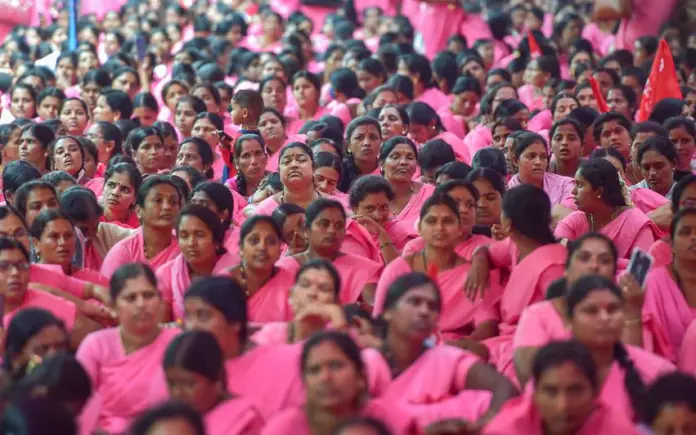
Kerala’s ASHA workers deserve more than a headline pay rise. They are a vital link between families and the public-health system, yet debates about their welfare often focus on monthly honorariums without addressing the insecurity built into their work.
More than a monthly payment
Accredited Social Health Activists help connect communities with healthcare services. Their responsibilities include supporting maternal and child health, assisting vaccination drives and sharing disease-prevention information.
Workers’ organisations have called for better social security, pension benefits, health insurance and retirement support. These demands reflect a broader concern: responsibilities have expanded, but the support available to workers has not always kept pace.
Why ASHA workers matter
ASHA workers are often the first point of contact between households and health services, particularly in communities where access to formal healthcare can be difficult. Their local knowledge and regular contact with families help government programmes reach people on the ground.
Kerala’s public-health achievements depend not only on hospitals and policy decisions but also on this community-level work.
Pay is only one part of the answer
Higher and more predictable compensation can provide immediate relief. But a durable welfare framework should also consider insurance, retirement security, paid leave, training and clear protections for workers.
Policymakers should engage directly with ASHA workers and their organisations, publish the terms of any revised support and explain how benefits will be funded and delivered.
Recognise the work behind public health
The debate is ultimately about dignity and security. If governments rely on ASHA workers to deliver essential services, their welfare cannot be treated as an optional addition to the health system. A fair policy must recognise both the work they do today and the security they need in the years ahead.