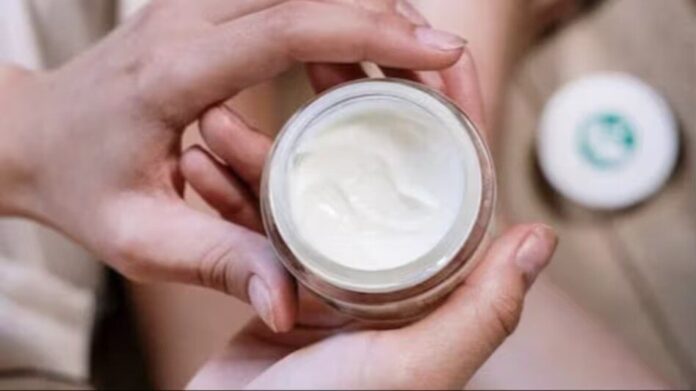
A 17-year-old girl in Kerala’s Malappuram district has developed a serious kidney disorder after using a fairness cream promoted by Instagram influencers, doctors treating her said. Tests on the cream allegedly found mercury at 12,500 parts per million (ppm), far above the safe limit of less than 1 ppm. The girl is being treated at Aster MIMS Mother Hospital in Malappuram.
What Happened
According to the doctors, the teenager saw influencers on Instagram promoting the cream as a fix for pimples, dark spots and pigmentation. She ordered it through a WhatsApp number shared on the platform and kept buying more bottles. She used the product for nearly a year.
Over time, her blood pressure dropped suddenly and she began to have fainting spells. Her legs swelled to the point where walking and climbing stairs became difficult. Doctors diagnosed her with membranous nephropathy, a condition that damages the kidney’s filtering units. They said early diagnosis and specialist care helped save her life.
Mercury in Fairness Cream: Why Doctors Are Worried
Nephrologist Dr Gowri S, who is treating the girl, said mercury can severely damage the kidneys. She warned that long exposure can, in serious cases, lead to kidney failure and nerve-related problems.
- Mercury found in the cream: 12,500 ppm (alleged, as per lab tests)
- Safe limit for cosmetics: less than 1 ppm
- Duration of use: about one year
- Diagnosis: membranous nephropathy
Doctors urged people not to trust social media ads that promise quick changes in skin colour. They advised anyone with skin problems to consult a qualified dermatologist instead of buying products through online sellers.
What’s Next
The girl said she informed the company about her health problems but did not get a satisfactory reply, and it later stopped responding. Her family plans to take the company to a consumer court. They have not revealed the cream’s name because of the planned legal action.
The case is likely to renew questions about the sale of unregulated cosmetics through Instagram and WhatsApp, where products often reach buyers without any quality checks.