
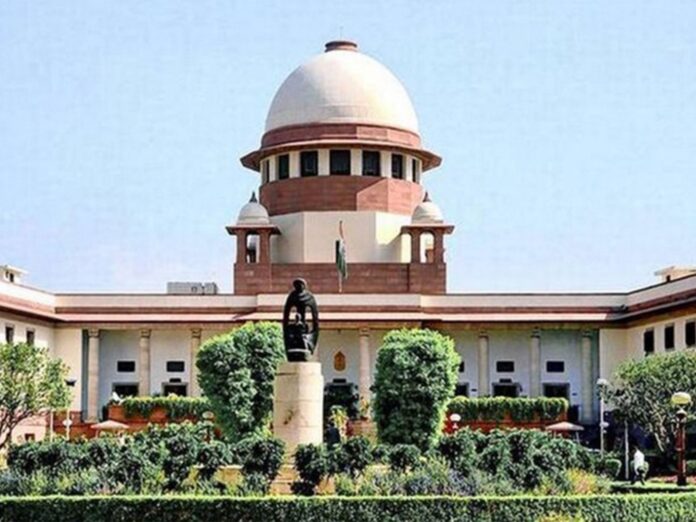
Biometric Voter Identification Gains Attention After Supreme Court Notice
The Biometric Voter Identification debate has gained national attention after the Supreme Court of India issued notices to the Election Commission of India, the Central government, and all state governments.
The petition was filed by Ashwini Upadhyay. He urged the court to introduce fingerprint and iris based identification systems at polling stations. As a result, the move aims to strengthen election transparency and credibility across the country.
PIL Seeks Biometric Voter Identification to Prevent Electoral Fraud
The petition strongly advocates for Biometric Voter Identification to curb electoral malpractices. These include duplicate voting, impersonation, proxy voting, ghost voting, and voter bribery.
Moreover, the plea argues that biometric verification can ensure that only genuine voters cast their votes. In addition, it highlights that technology driven identification can reduce human errors and improve efficiency.
Supreme Court Highlights Key Challenges
During the hearing, the bench led by Surya Kant and Joymalya Bagchi raised several concerns.
First, the court noted that implementing Biometric Voter Identification would require major rule changes. Furthermore, it pointed out the high financial cost. At the same time, the judges emphasized the need for large scale infrastructure.
Authorities Asked to Respond
The Election Commission of India, the Centre, and all states have been directed to respond.
They are expected to address feasibility, cost, and data privacy concerns. Additionally, they may clarify whether current systems can support Biometric Voter Identification nationwide.
Potential Impact on India’s Elections
If implemented, Biometric Voter Identification could improve election transparency and accountability. It may reduce fraud and strengthen voter confidence.
However, challenges remain. For instance, data security must be ensured. Similarly, rural accessibility must be addressed carefully.