
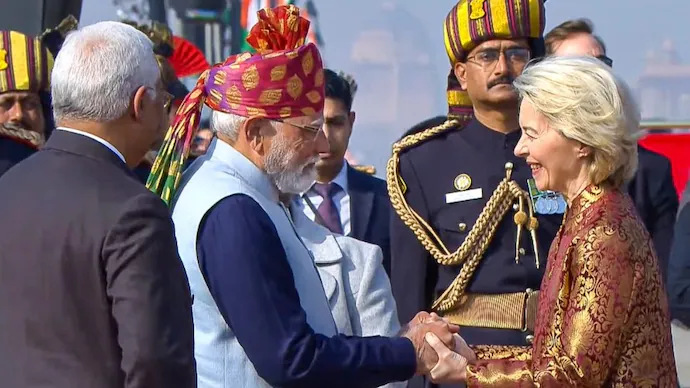
India and the European Union are moving closer to finalizing a landmark Free Trade Agreement (FTA), as top EU leaders arrive in India for Republic Day celebrations. This high-level diplomatic engagement has significantly strengthened the momentum behind the long-awaited deal.
Moreover, the agreement could reshape India’s trade relationship with Europe across several key sectors.
India Plans Major Tariff Cuts on Luxury European Cars
As part of the proposed trade pact, India plans to reduce import duties on luxury European cars in a phased manner. Currently, these tariffs reach as high as 110%. However, under the new deal, India will likely cut them to 40% initially and later bring them down further to 10%.
As a result, premium car buyers in India may soon enjoy more competitive pricing.
Brands Expected to Benefit:
- Mercedes-Benz
- BMW
- Audi
- Porsche
Notably, these tariff reductions will apply mainly to vehicles priced above €15,000, which primarily includes high-end models.
However, Electric Vehicles Will Remain Protected
At the same time, India has taken steps to protect its domestic EV industry. Therefore, the agreement will exempt battery electric vehicles from tariff cuts for five years.
This decision will:
- Safeguard Indian manufacturers like Tata Motors and Mahindra
- Encourage domestic EV innovation
- Strengthen India’s Make in India mission
Thus, India aims to balance global trade openness with national industrial growth.
Meanwhile, India Gains Greater Access to European Markets
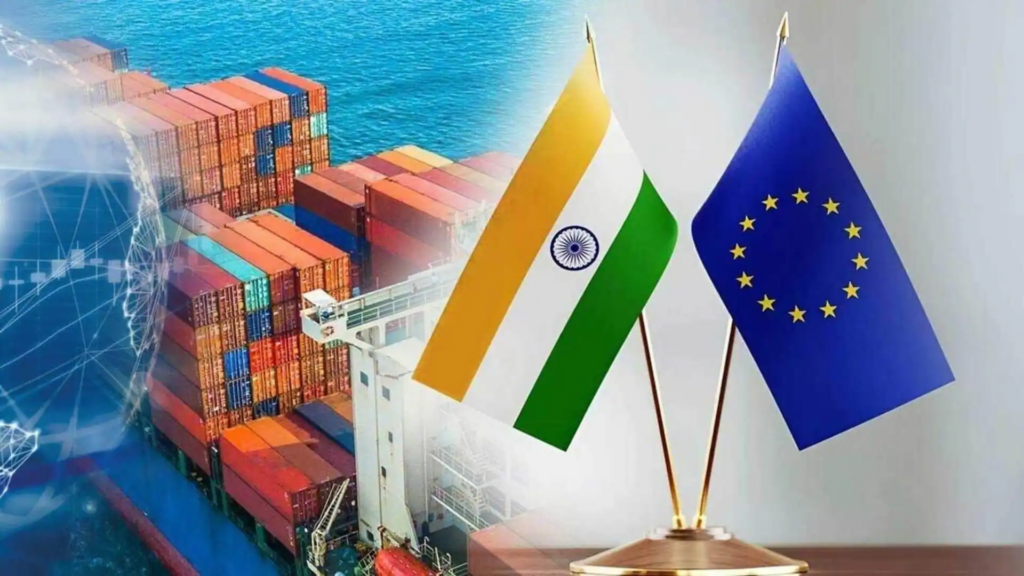
Beyond automobiles, the FTA offers India several strategic advantages. In particular, it will improve access to European markets for Indian exports.
Key Sectors Set to Benefit:
- Textiles and Garments
- Pharmaceuticals
- IT and Digital Services
- Agriculture and Processed Foods
Consequently, the deal could boost exports, create jobs, and enhance India’s competitiveness globally.
Supporters and Critics Offer Mixed Reactions
On one hand, supporters believe the agreement will:
- Lower prices for consumers
- Attract foreign investment
- Increase market efficiency
- Improve product quality through competition
On the other hand, critics argue that:
- Domestic carmakers may face intense competition
- Indian auto giants could see reduced margins
- Long-term self-reliance may weaken
Nevertheless, policymakers insist that phased implementation and exemptions will protect national interests.
Furthermore, Republic Day Diplomacy Strengthens the Deal
The presence of EU leaders at India’s Republic Day celebrations sends a strong political signal. Therefore, analysts expect both sides to officially announce the FTA at the upcoming EU-India Summit.
If confirmed, this announcement would mark a historic milestone in India-EU relations.
Conclusion
In conclusion, the India-EU Free Trade Deal represents a transformative opportunity for both economies. While India prepares to reduce tariffs on luxury cars, it also protects its EV sector and strengthens export access to Europe.
Ultimately, this balanced approach could redefine trade relations between India and the European Union for decades to come.