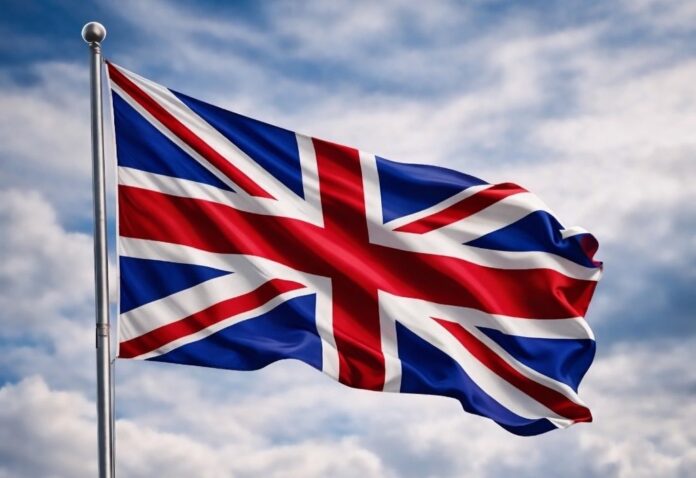
The Scotland Wales Northern Ireland referendum push reached a new milestone on Monday, September 14, 2026, when the pro-independence first ministers of all three UK nations met in Cardiff to sign a joint declaration demanding the right to hold constitutional referendums. It marks the first time pro-independence parties have simultaneously led all three devolved governments.
Who Was in the Room
Scotland’s First Minister John Swinney met Plaid Cymru leader Rhun ap Iorwerth and Sinn Féin’s Michelle O’Neill, gathering in their capacities as party leaders rather than heads of government. Sinn Féin vice-president Mary Lou McDonald also attended. Swinney described the momentum for constitutional change as undeniable.
What’s Actually Being Demanded
The declaration isn’t a call for immediate independence votes. It calls on the UK government to prepare the ground for future referendums: on independence for Scotland and Wales, and on Irish unification for Northern Ireland, which already has a legal referendum mechanism under the 1998 Belfast Agreement. Scotland has no equivalent statutory path, and the UK Supreme Court ruled in 2022 that Holyrood cannot unilaterally legislate for one.
Westminster’s Response
UK Prime Minister Andy Burnham has said independence and a referendum remain “off limits” for now, though he told Parliament a future Scottish vote could be allowed if public support were clearly demonstrated. Downing Street later reaffirmed its opposition to another Scottish referendum hasn’t changed.
The Numbers Behind the Push
According to polling cited by The Guardian, a hypothetical vote held today would show 47% support for independence in Scotland, 36% in Northern Ireland, and 32% in Wales. A separate Survation poll of Scottish voters found 47% in favour and 43% opposed. US President Donald Trump added an international dimension to the debate during his recent Ireland visit, saying he would welcome a united Ireland.
What This Does and Doesn’t Mean
Analysts note the summit represents a coordinated demand for the right to choose, not an imminent plan to break up the UK. Wales’ Plaid Cymru has already said it won’t hold an independence vote during the current Senedd term, which runs until 2030. Even so, the alignment of pro-independence leadership across all three nations marks a significant shift in Britain’s constitutional politics.