
Bengaluru, June 17, 2026:
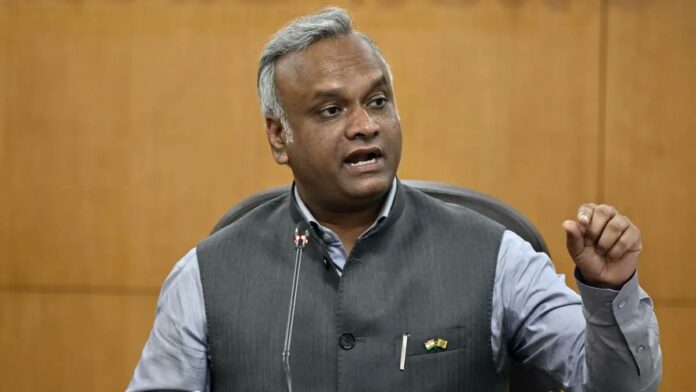
A fresh political debate has emerged after Karnataka Home Minister Priyank Kharge urged the Rashtriya Swayamsevak Sangh (RSS) to formally register and publicly disclose details regarding its finances, organizational structure, and legal status.
The demand has triggered a sharp response from RSS chief Mohan Bhagwat, who dismissed the proposal as a political exercise and defended the organization’s functioning.
Priyank Kharge Calls for Greater Transparency
In a letter reportedly addressed to RSS chief Mohan Bhagwat on June 13, Karnataka Home Minister Priyank Kharge highlighted the organization’s extensive presence in the state and called for greater transparency.
Kharge cited the RSS’s large-scale activities in Karnataka, including thousands of daily shakhas and large public gatherings, arguing that organizations with significant social influence should operate within clearly defined legal and financial frameworks.
He urged the RSS to disclose details related to:
- Organizational structure
- Sources of funding
- Financial accounts
- Legal status and registration
According to Kharge, such disclosures would align with constitutional principles of accountability and transparency.
RSS Rejects Registration Demand
Responding to the remarks, RSS chief Mohan Bhagwat reportedly rejected the demand and described it as a political gimmick.
Bhagwat stated that the RSS functions as a voluntary social organization and conducts its activities openly across the country.
He also pointed out that information regarding the organization has been submitted to government authorities on various occasions and maintained that existing laws do not require the RSS to register as demanded by critics.
Debate Over Accountability
The exchange has reignited discussions regarding the legal status and accountability of large socio-cultural organizations operating in India.
Supporters of Kharge’s position argue that organizations with extensive influence should maintain greater financial transparency.
Meanwhile, RSS supporters contend that the organization has a long history of public service and operates openly without any legal obligation to register in the manner suggested.
Political Reactions Intensify
The controversy comes during the RSS centenary year, making the debate particularly significant in national political discourse.
Political observers note that the issue is likely to fuel further discussions on transparency, civil society organizations, governance, and the role of influential socio-cultural groups in public life.
As reactions continue from political parties and civil society groups, the debate has become one of the most discussed political developments in Karnataka and beyond.