
By South Matters Kerala Desk | Society
For decades, the Gulf dream shaped Kerala’s economy and society.
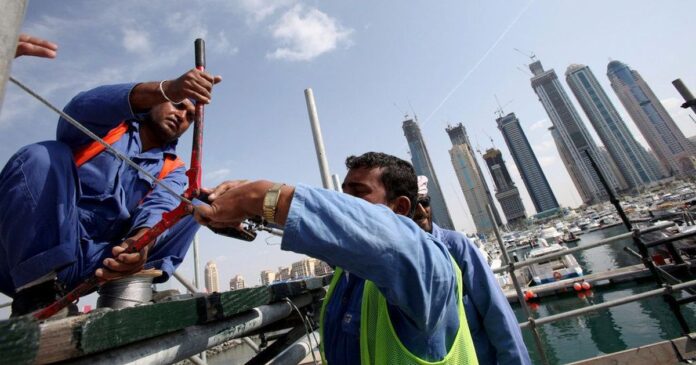
From small villages in Malappuram and Kozhikode to towns across the state, generations of Keralites migrated to countries such as the UAE, Saudi Arabia, Qatar, Oman, Bahrain, and Kuwait in search of better opportunities. Their remittances built homes, funded education, supported businesses, and transformed Kerala’s economy.
However, the story rarely ends when these workers return home.
The reality facing many Kerala Gulf Returnees remains one of the state’s least-discussed social and economic challenges.
The End of the Gulf Journey
Many workers spend decades abroad.
They leave Kerala in their twenties and return in their forties, fifties, or even later. Some return after retirement. Others come back due to job losses, economic slowdowns, health issues, or changing labour policies in Gulf countries.
While returning home may seem like a happy ending, the transition is often difficult.
Many workers discover that rebuilding a life in Kerala is far more challenging than they expected.
Financial Challenges After Return
A common assumption is that Gulf migrants return with significant savings.
While some do, many others struggle financially.
Rising living costs, family responsibilities, loans, and unexpected expenses often reduce savings accumulated over decades. Furthermore, some workers invest in businesses that fail to generate stable income.
As a result, many returnees find themselves searching for employment even after years of working abroad.
The Employment Gap
One of the biggest challenges is finding suitable work.
Many Gulf returnees possess years of practical experience. However, their skills may not match opportunities available in Kerala’s job market.
Age can also become a barrier.
Employers often prefer younger workers, leaving experienced returnees with limited options. Consequently, some take lower-paying jobs while others remain unemployed.
Experts say skill transition programs could help bridge this gap.
The Emotional Side of Returning Home
The challenges are not only financial.
Many returnees struggle to adapt after spending years in a different environment. Daily routines, social circles, and lifestyles often change dramatically.
Some experience feelings of isolation, stress, or uncertainty about the future.
Family relationships can also require adjustment after years of separation.
Mental health professionals note that emotional support services remain limited despite the scale of return migration.
A Lifeline for Kerala’s Economy
Despite these challenges, Gulf migrants remain one of Kerala’s greatest economic success stories.
Remittances continue to play a major role in the state’s economy. They support household spending, education, healthcare, real estate, and local businesses.
Entire communities have benefited from decades of migration.
However, experts argue that the state must now focus equally on the needs of those returning home.
What Can Be Done?
Policy experts have proposed several solutions.
These include entrepreneurship support, skill development programs, financial counseling, healthcare assistance, and targeted employment initiatives for returnees.
In addition, stronger reintegration programs could help workers transition more smoothly into life after migration.
Supporters believe such measures would not only benefit returnees but also strengthen Kerala’s economy.
Looking Beyond the Remittances
The story of Kerala’s Gulf migration is often told through remittance figures and success stories.
Yet behind those numbers are millions of personal journeys filled with sacrifice, ambition, and hard work.
As more workers return home in the coming years, Kerala will face an important challenge: how to support the people who spent decades helping build both the Gulf economies and their own state’s prosperity.
The future of Kerala’s Gulf returnees deserves as much attention as the migration story itself.