
By South Matters Karnataka Desk | Civic Issues
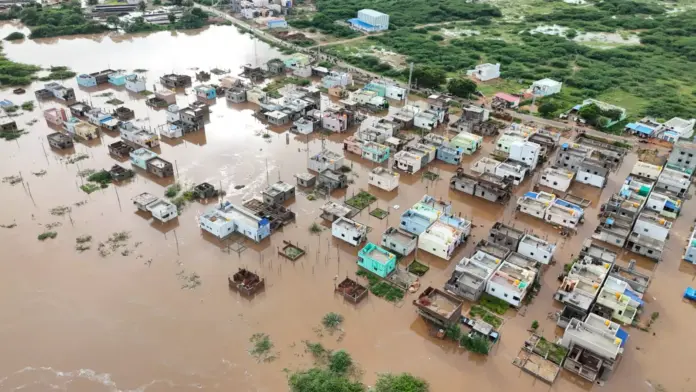
Two years have passed since devastating floods brought parts of Bengaluru to a standstill. Images of submerged roads, stranded residents, flooded apartments, and disrupted businesses dominated national headlines.
Today, the floodwaters are gone. However, for many residents, the crisis is far from over.
Thousands of Bengaluru Flood Victims continue to face unresolved challenges ranging from compensation disputes to recurring waterlogging. While the city has returned to normal in many areas, several communities say the promises made after the disaster remain only partially fulfilled.
The Floods That Shocked India’s Tech Capital
The floods exposed vulnerabilities in one of India’s fastest-growing cities.
Heavy rainfall overwhelmed stormwater drains and flooded residential colonies, technology parks, roads, and commercial districts. Several neighborhoods remained under water for days.
The disaster affected daily life across Bengaluru and caused significant losses for families, businesses, and workers.
Furthermore, the floods raised serious questions about urban planning and infrastructure management.
Compensation Concerns Continue
Many affected residents expected quicker relief after the disaster.
While authorities announced compensation measures and recovery plans, some families claim they have yet to receive adequate support for property damage and financial losses.
Residents in flood-prone areas argue that recovery efforts have been uneven. Consequently, frustration continues among those who suffered extensive losses.
Community groups have repeatedly called for greater transparency in compensation processes.
Recurring Waterlogging Remains a Threat
One of the biggest concerns is that flooding risks have not disappeared.
Several neighborhoods continue to report waterlogging during heavy rains. Residents fear that another extreme weather event could produce similar consequences.
Experts point to encroachments on lakes, blocked drainage channels, and rapid urbanization as key factors behind the problem.
Therefore, many believe long-term solutions remain more important than temporary fixes.
Infrastructure Projects Under Scrutiny
Authorities have launched multiple infrastructure projects aimed at reducing flood risks.
Stormwater drain upgrades, lake restoration initiatives, and road improvements have taken place across parts of the city.
However, critics argue that implementation has been inconsistent. Some projects remain incomplete, while others face delays.
Urban planners warn that Bengaluru’s infrastructure must keep pace with population growth and climate-related challenges.
Impact on Ordinary Families
Beyond infrastructure, the floods left lasting effects on thousands of families.
Many homeowners spent significant amounts on repairs. Small businesses suffered revenue losses, while workers faced disruptions to employment and transportation.
For some residents, the financial recovery process continues even today.
As a result, the floods remain a personal crisis long after media attention moved elsewhere.
Lessons for Bengaluru’s Future
Climate experts warn that extreme rainfall events could become more frequent in the coming years.
This means Bengaluru must strengthen disaster preparedness, improve drainage systems, and protect water bodies.
In addition, urban development policies may need to place greater emphasis on sustainability and resilience.
The experience of Bengaluru’s flood victims highlights the importance of planning cities for both growth and climate realities.
More Than a Weather Story
The Bengaluru floods were not simply a weather event.
They revealed deeper issues involving infrastructure, governance, urban expansion, and environmental management.
Two years later, many residents still wait for lasting solutions.
For them, the story is not about what happened during the floods. It is about what has happened since.