
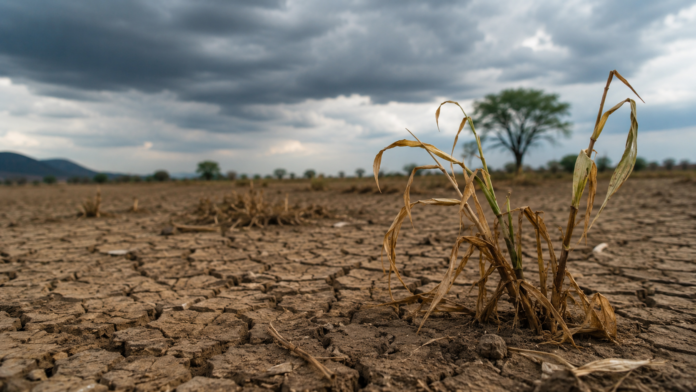
Bengaluru, July 1: Karnataka has recorded a 42% rainfall deficit in June 2026, with only six of the state’s 31 districts receiving above-normal rainfall. The sharp decline has affected almost every region, especially the Malnad and coastal areas, raising concerns about agriculture, drinking water supply, and reservoir levels.
According to official rainfall data, Karnataka usually receives 199 mm of rainfall during June. However, the state recorded only 116 mm this year, making it one of the driest June months in recent years.
Malnad and Coastal Regions Receive Much Less Rain
The Malnad region reported the biggest shortfall, receiving 52% less rainfall than normal. Coastal Karnataka also experienced poor monsoon activity, with rainfall falling 49% below average. In North Interior Karnataka, rainfall was 28% below normal, while South Interior Karnataka recorded a smaller deficit of 5%.
Kodagu Records a 63% Rainfall Deficit
Kodagu, the main catchment area of the Cauvery River, was among the worst-affected districts. The district received only 197 mm of rainfall against its normal June average of 533 mm, resulting in a 63% deficit.
Other districts that recorded significant rainfall shortages include:
- Chikkamagaluru: 132 mm against the normal 328 mm
- Shivamogga: 194 mm against the normal 472 mm
- Hassan: 91 mm against the normal 164 mm
Each of these districts received less than half of their usual June rainfall.
Coastal Districts Also See Sharp Decline
The state’s coastal districts also witnessed a major drop in rainfall. Udupi, which normally receives the highest June rainfall in Karnataka, recorded 558 mm against its average of 1,105 mm. Dakshina Kannada received 395 mm, compared with its normal 927 mm. Vijayanagar and Davanagere Receive the Least Rain Among all districts, Vijayanagar recorded the lowest rainfall at 31.5 mm during June. Davanagere followed with just 36.5 mm of rainfall.
Concerns Over Water Availability
The poor monsoon performance, particularly in the Cauvery catchment areas, has raised concerns about water storage, irrigation, and agricultural activities in the coming months. If rainfall does not improve during the rest of the monsoon season, reservoir levels and crop production could come under pressure.
Weather officials will continue to monitor monsoon conditions closely as Karnataka hopes for better rainfall in July to reduce the growing deficit.