
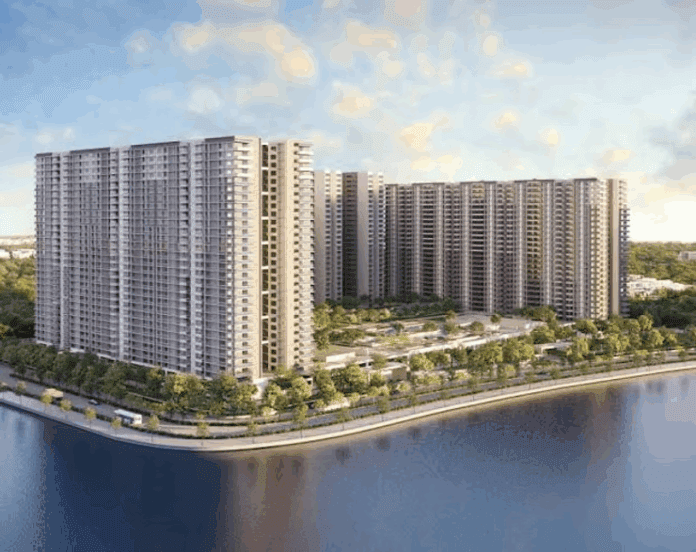
The Kerala real estate market in 2025 is characterized by cautious stability with undercurrents of evolving opportunities shaped by demographic shifts, urbanization, and policy reforms. While the sector has historically been resilient, current trends reflect nuanced dynamics influenced by both domestic demand and diaspora investments.
Residential property continues to dominate activity, driven largely by returning Non-Resident Keralites (NRKs) and local demand for affordable housing. The Kerala government’s affordable housing initiatives, such as the Life Mission program, further stimulate this segment by incentivizing low-income housing projects. These efforts contribute to mitigating urban housing shortages and promoting inclusive urban growth.
Commercial real estate sees cautious optimism with increasing interest from IT, healthcare, and hospitality sectors. The growth of technology parks and medical tourism hubs in cities like Kochi and Thiruvananthapuram has encouraged demand for office and hospitality spaces, diversifying the market’s risk profile. However, oversupply in certain segments, regulatory bottlenecks, and land acquisition challenges temper exuberance.
Environmental sustainability emerges as a decisive factor. With Kerala’s ecologically sensitive geography, real estate developments are increasingly incorporating green building technologies and adhering to stricter environmental clearances. The state’s push for sustainable real estate aligns with global climate imperatives and tourism’s dependency on pristine natural surroundings.
Nevertheless, infrastructure deficits—such as traffic congestion and inadequate public transport—pose risks to real estate growth, signaling urgent needs for integrated urban planning. Moreover, price inflation and finance availability remain concerns for middle-income buyers, necessitating continued government intervention.
In conclusion, Kerala’s real estate in 2025 balances between stable demand and emerging challenges. Strategic government policies, coupled with market prudence and sustainability focus, will shape a resilient sector poised to contribute to the state’s broader socio-economic development.