
By South Matters Karnataka Desk | Social Affairs
Karnataka is often seen as one of India’s most progressive states. Bengaluru’s technology boom, rising literacy rates, and expanding economy have helped shape that image. However, away from the spotlight, a troubling social challenge continues to affect thousands of children.
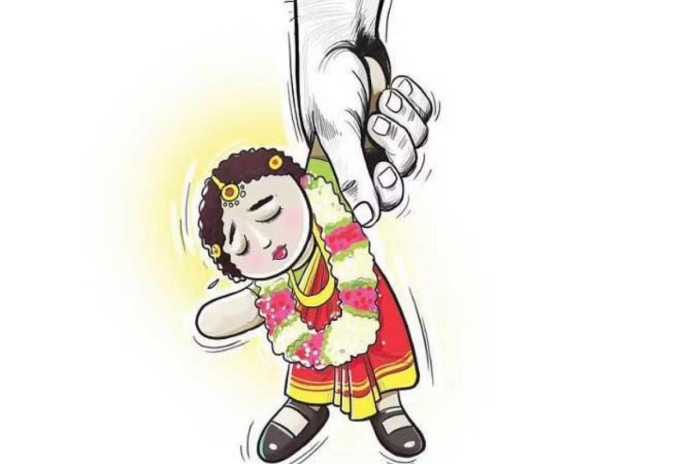
The Karnataka Child Marriage Crisis remains a serious issue in several districts despite years of awareness campaigns and legal action. While official numbers show improvements, activists and child welfare organizations warn that many cases still go unreported.
For many families, poverty, social pressure, and lack of educational opportunities continue to drive early marriages.
A Hidden Problem Beyond Bengaluru
When people think of Karnataka, they often think of Bengaluru, Mysuru, or Mangaluru. Yet the child marriage issue is concentrated in rural and economically weaker regions.
Districts such as Vijayapura, Kalaburagi, Raichur, Yadgir, and Koppal frequently appear in discussions among child rights activists. These regions face challenges that include poverty, school dropouts, and limited employment opportunities.
As a result, many families view marriage as a way to reduce financial burdens.
Why Child Marriages Still Happen
Child marriage is illegal in India. However, laws alone have not eliminated the practice.
Many families continue to arrange marriages due to economic hardship. In some communities, social traditions also play a role. Furthermore, concerns about safety and social status often influence parental decisions.
Experts say girls who leave school early face a higher risk of child marriage. Therefore, improving access to education remains one of the most effective solutions.
The Impact on Young Girls
The consequences of child marriage extend far beyond the wedding day.
Girls who marry early are more likely to leave school permanently. They also face higher health risks, including complications during pregnancy and childbirth.
Additionally, early marriage can limit career opportunities and reduce economic independence.
Child rights advocates argue that delaying marriage allows young women to complete their education and build better futures.
Government and NGO Efforts
The Karnataka government has launched several initiatives to address the problem.
Officials work with schools, local administrations, and child protection committees to identify vulnerable children. In addition, awareness campaigns aim to educate families about the legal and social consequences of child marriage.
Non-governmental organizations also play a key role. Many groups provide counseling, legal support, and educational assistance to at-risk girls.
Challenges Remain
Despite these efforts, significant challenges remain.
Many cases occur in remote areas where monitoring is difficult. Some families conduct ceremonies secretly to avoid legal action. Furthermore, fear of social stigma prevents some communities from reporting violations.
Activists believe stronger community engagement is necessary to create lasting change.
The Road Ahead
Reducing child marriage requires more than law enforcement.
Experts say investments in education, healthcare, skill development, and employment opportunities are equally important. When families have better economic security, the pressure to arrange early marriages often decreases.
The Karnataka Child Marriage Crisis highlights the gap between legal protections and social realities. While progress has been made, thousands of children remain vulnerable.
For Karnataka, addressing this issue is not only about enforcing laws. It is about ensuring that every child has the opportunity to grow, learn, and choose their own future.