
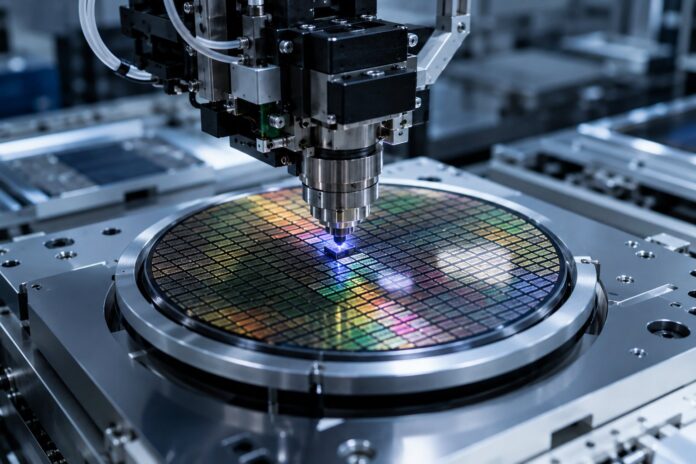
New Delhi: The Union Cabinet has approved a massive ₹1.9 lakh crore investment package to strengthen India’s electronics manufacturing ecosystem. The decision includes funding for India Semiconductor Mission 2.0 and a new Mobile Phone Manufacturing Scheme, marking one of the country’s biggest initiatives to build a globally competitive semiconductor and electronics industry.
The government allocated ₹1.27 lakh crore for India Semiconductor Mission 2.0, while ₹62,500 crore has been earmarked for the Mobile Phone Manufacturing Scheme. Together, the programmes aim to accelerate domestic chip production, expand manufacturing capacity, and reduce India’s dependence on imports.
India Semiconductor Mission 2.0 to Boost Chip Manufacturing
The upgraded semiconductor mission will focus on developing advanced fabrication capabilities, semiconductor packaging, research and development, and strengthening upstream supply chains. The government also plans to encourage domestic innovation while attracting leading global semiconductor companies to establish manufacturing facilities in India.
Speaking about the initiative, Union Minister Ashwini Vaishnaw highlighted the complexity of semiconductor manufacturing, comparing chip fabrication to “writing the Ramayana on a fingernail,” underscoring the precision required in producing modern microchips that power everything from smartphones to defence systems.
New Mobile Manufacturing Scheme Targets Global Leadership
Alongside the semiconductor initiative, the Cabinet approved a ₹62,500 crore Mobile Phone Manufacturing Scheme designed to encourage local production of key electronic components and strengthen India’s manufacturing supply chain.
The scheme aims to increase domestic value addition, reduce import dependency, and position India as a preferred global destination for electronics manufacturing.
Government Eyes Investment, Jobs and Export Growth
The Centre expects the combined initiatives to attract nearly ₹4 lakh crore in fresh investments over the coming years. Officials also project that the programmes could generate around 60,000 direct and indirect employment opportunities while boosting electronics exports to nearly ₹1 lakh crore.
With India’s semiconductor demand expected to reach $130 billion by 2030, policymakers believe the latest reforms will strengthen the country’s role in the global electronics supply chain and support its ambition of becoming a major semiconductor manufacturing hub.
The approval represents another significant step in India’s broader strategy to promote high-technology manufacturing, enhance economic resilience, and establish itself as a leading player in the global electronics industry.